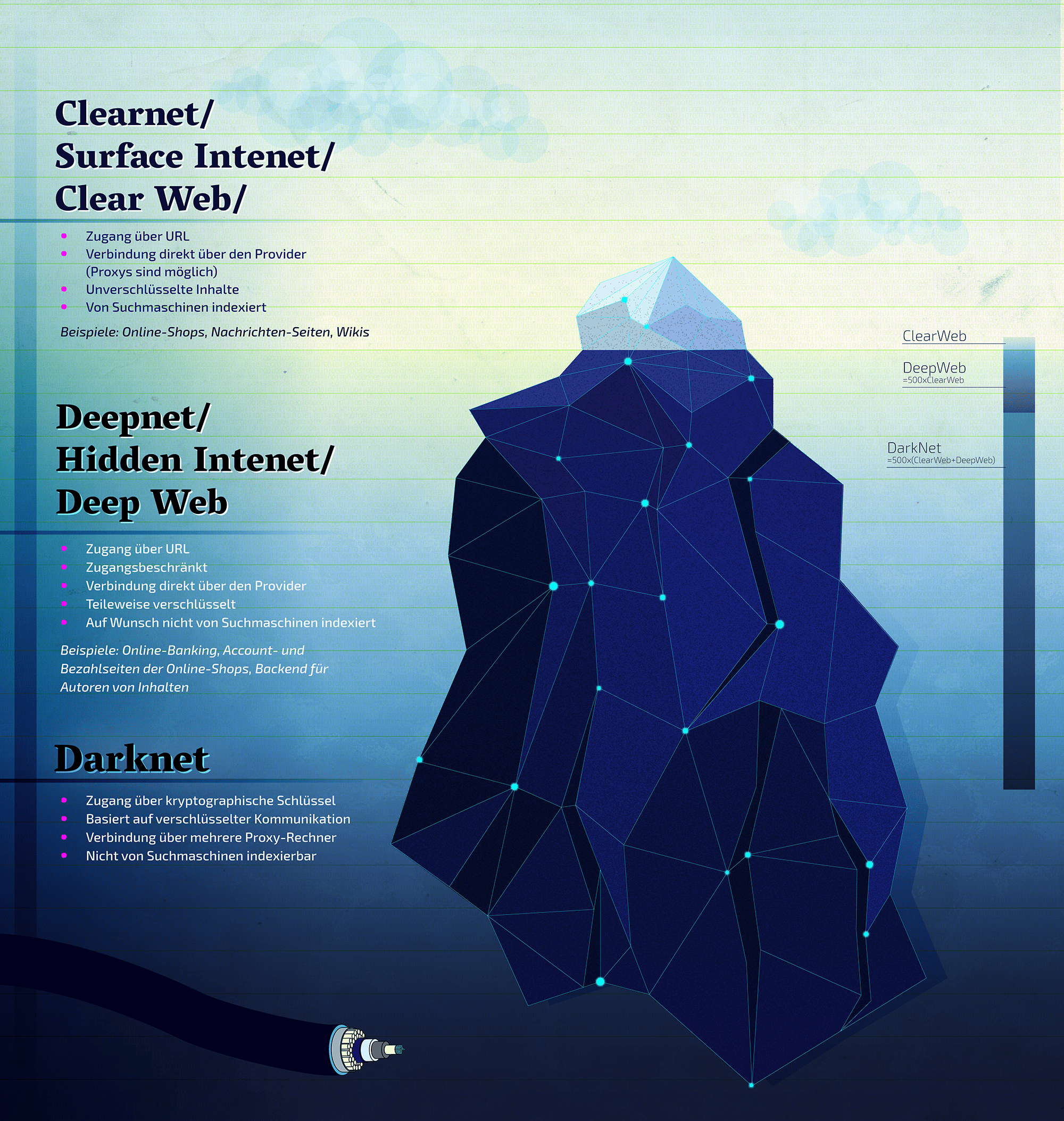
This deep web intrigued the imagination of countless people, cloaked in secrecy and often misunderstood as a sphere solely for illicit activities. In actuality, it is a intricate landscape where anonymity is dominant supreme, providing both possibilities and dangers for those who venture into its hidden layers. The dark web markets serve as the center for limitless transactions that vary from the innocuous to the highly hazardous, forming a mesmerizing intersection of business and caution.
As individuals and organizations explore this concealed internet, they face a tempting question: is the potential reward worth the built-in risk? Understanding the nuances of dark web market transactions is vital for those looking to understand the wider implications of this subterranean economy. From the acquisition of unique digital goods to the exchange of illicit substances, the reasons for involvement in these markets are as diverse as the goods and services offered. Examining dark market url uncovers not only the motivations of buyers and sellers but also the related dangers that come with operating in a world where trust is scarce and forgeries are prevalent.
Comprehending the Shadowy Web Marketplace
The shadow web economy is a complicated network that operates largely outside the laws and control of conventional markets. It covers a diverse array of goods and services, often illicit, ranging from narcotics and weapons to illegally obtained data and forged currency. Actors rely on disguise and encryption tools, allowing transactions that would ordinarily be difficult in normal marketplaces. This underground economy thrives on both need for illegal goods and the supply provided by numerous vendors who take benefit of the shadowy web's special characteristics.
One of the key factors driving the obscure web economy is the use of digital currencies. Digital currencies like Ethereum provide users with a layer of anonymity, making it hard to trace transactions back to people. Vendors and buyers favor these currencies for their regarded safety and speed. While this form of payment has legitimate uses, it is particularly attractive to those engaging in illegal trade, as it helps to obscure their personas and protect their holdings from law enforcement.
The shadowy web is not solely a hub for illicit activities; it can also serve as a platform for legal goods and services that require privacy. Confidentiality-oriented technologies and platforms have emerged, providing secure avenues for interactions and transactions in an increasingly monitoring-focused world. However, the pervasive existence of unlawful market transactions casts a cloud over the entire shadowy web economy, leaving regulators and law enforcement grappling with the issues it poses.
Risks Involved with Hidden Web Deals
Involving oneself on exchanges in darknet sites brings considerable dangers which can result in grave consequences for participants. One of the primary risks is the possibility for deception and scams. A lot of sellers in these markets are unreliable, and transactions can end with acquiring fraudulent products or nil at all whatsoever. Participants are generally left with no options, as privacy and lack of regulation complicate to reclaim missing assets or seek recourse.
Another significant risk includes criminal repercussions. The hidden web is commonly associated with illegal actions, and acquiring products such as narcotics or hacked information can result in grave legal problems. Authorities entities continuously watch these markets, and secret missions can end in arrests of clients and vendors alike. Individuals taking part in these transactions need to be conscious that they could be setting themselves at hazard of legal consequences.
Moreover, there are digital security threats associated with darknet transactions. Users often provide private details, such as cryptocurrency wallets and identifying details, which can be hacked by cybercriminals. Viruses and scamming attempts are widespread, and users may experience their machines hacked as a result of their activities. Protecting one's private information and information is hard, making the threat of identity theft and the loss of resources a critical concern to any individual traversing these shadowy sites.
Potential Rewards and Upcoming Patterns
The allure of dark web markets primarily lies in the possible returns they offer, from anonymity to exclusive items. For a lot of customers, the ability to purchase products without disclosing identity is a significant incentive. This feature not only benefits clients looking for discretion but also sellers who can operate without the constraints of conventional market regulations. As cryptocurrency adoption grows, transactions have become more efficient, promoting the advancement of these online marketplaces.
As technology advances, dark web markets are likely to see an rise in complexity. The application of AI and automated learning could elevate user interactions, making exploration easier and better tailored. Additionally, we can anticipate better protection systems to counteract increasing law enforcement attention. Sellers might also adopt trusted shipping methods, which could further expand their customer base and build trust in prospective customers.
Finally, the emerging patterns in the dark web could also encompass a movement towards social responsibility within these markets. Some sellers are already promoting goods that are advertised as responsible, or fair trade, appealing to a growing audience that appreciates sustainable buying. As conditions evolve, we may witness a rise in community-driven initiatives that promote clear communication from sellers, potentially altering views on hidden web exchanges and their value in the broader economy.